
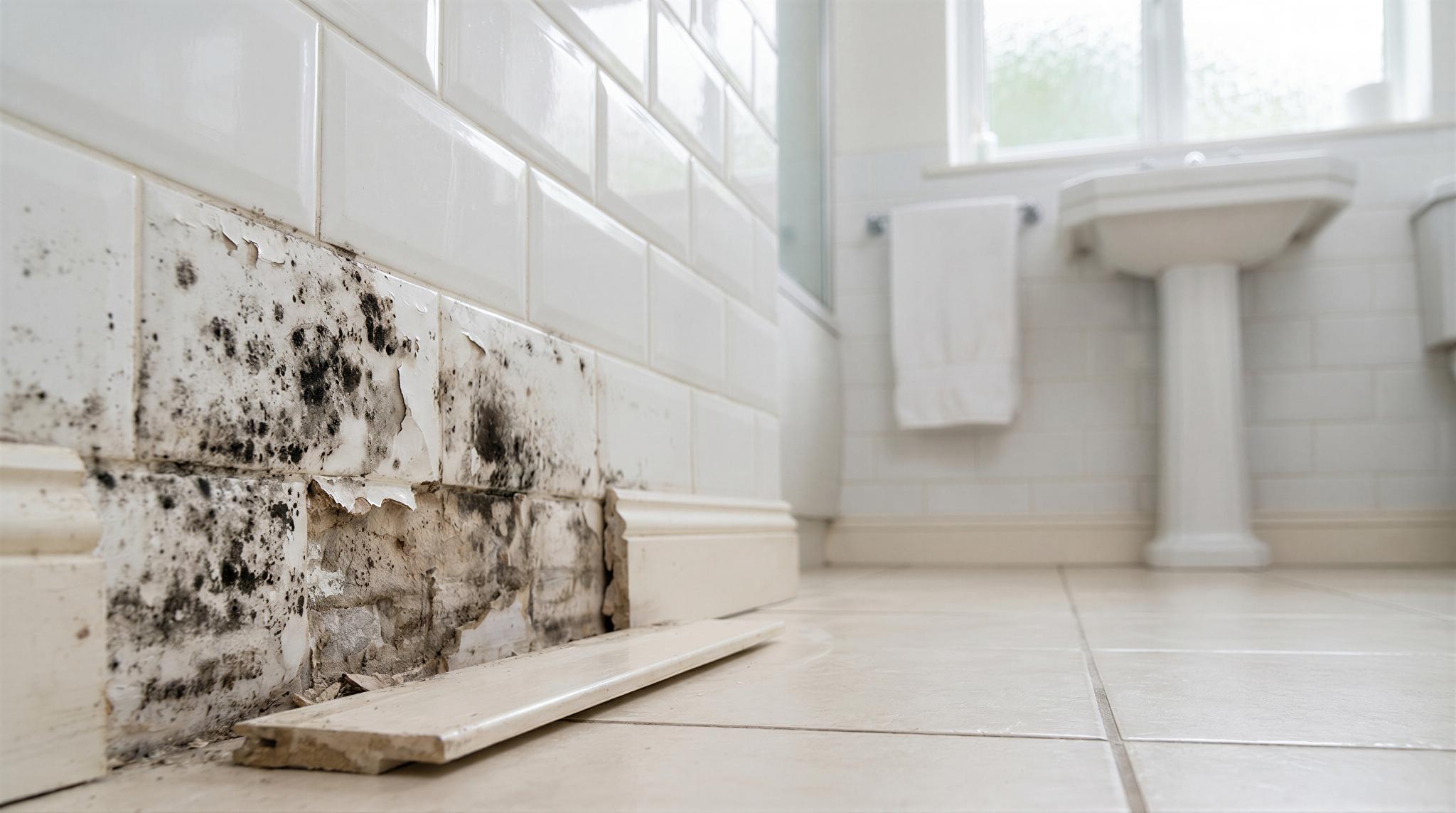
Mold growth is not always easy to spot. In many cases, mold develops behind walls, beneath flooring, inside crawl spaces, or around hidden moisture sources long before homeowners notice visible damage. Left untreated, hidden mold can negatively affect indoor air quality, damage building materials, and contribute to ongoing health concerns.
At The Mold Guys, we help homeowners throughout Highland and Southeast Michigan identify mold problems early through professional mold testing, mold remediation, and air quality testing services. Knowing the warning signs of hidden mold can help you address issues before they become more serious and expensive.
Persistent Musty Odors
One of the most common signs of hidden mold is a persistent musty smell that does not go away with normal cleaning or ventilation. Mold releases microbial compounds into the air that create an earthy or damp odor, especially in enclosed areas.
Homeowners often notice these smells:
- Near bathrooms or kitchens
- Around basements and crawl spaces
- Near HVAC systems
- Around carpeting or flooring
- After water damage or flooding
If your home consistently smells damp despite cleaning efforts, hidden mold growth may be present behind walls, under flooring, or inside insulation.
Increased Allergy or Respiratory Symptoms
Poor indoor air quality caused by mold spores can trigger allergy-like symptoms, especially for individuals with asthma, sensitivities, or weakened immune systems.
Common symptoms include:
- Sneezing
- Coughing
- Headaches
- Sinus congestion
- Itchy eyes
- Skin irritation
- Difficulty breathing
Many homeowners notice symptoms improve when leaving the property and return after spending time indoors. This can indicate airborne mold contamination that requires professional air quality testing.
Discoloration or Staining on Walls and Ceilings
Visible stains or discoloration can signal hidden moisture problems that allow mold growth to develop behind surfaces. Mold does not always appear black — it may also look:
- Brown
- Green
- White
- Yellow
- Gray
Pay close attention to:
- Ceiling stains
- Bubbling paint
- Warped drywall
- Water rings
- Peeling wallpaper
- Dark spots around vents or windows
These signs often indicate moisture intrusion that should be inspected immediately.
Ongoing Moisture or Humidity Issues
Mold thrives in damp environments. Homes with recurring moisture problems are far more likely to develop hidden mold growth over time.
Common causes include:
- Roof leaks
- Plumbing leaks
- Foundation moisture
- Flooding
- Poor ventilation
- Condensation buildup
- High indoor humidity
Even small leaks behind walls or beneath flooring can create the perfect environment for mold colonies to spread unnoticed.
Soft Flooring or Warped Materials
Hidden water damage can weaken flooring, baseboards, cabinetry, and drywall over time. If you notice:
- Soft spots in flooring
- Warped wood
- Buckling laminate
- Loose tiles
- Crumbling drywall
there may be trapped moisture and hidden mold underneath the affected materials.
Mold Growth After Water Damage
Any property that has experienced flooding, burst pipes, or water damage should be monitored carefully for mold growth. Mold can begin developing within 24 to 48 hours when moisture is not fully removed.
Professional water damage restoration and moisture detection are critical to preventing long-term contamination after a flood or leak.
Professional Mold Testing and Remediation in Southeast Michigan
Hidden mold problems often continue spreading until the source of moisture is identified and corrected. Professional inspections, air quality testing, and mold remediation help ensure your home is safe, clean, and properly restored.
The Mold Guys proudly provides mold testing, mold remediation, flood damage restoration, and indoor air quality services throughout Highland, Plymouth, Troy, Birmingham, and surrounding Southeast Michigan communities.
If you suspect hidden mold in your home, contact our team today to schedule an inspection.